
Project Overview

Post-Launch Usability Testing for License Plate Recognition Software

After launch, the ALPR device showed signs of friction across installation, onboarding, and deployment. I led a rapid usability research effort, requested by the CTO, to identify what was getting in users’ way and help the team improve speed, clarity, and product effectiveness.

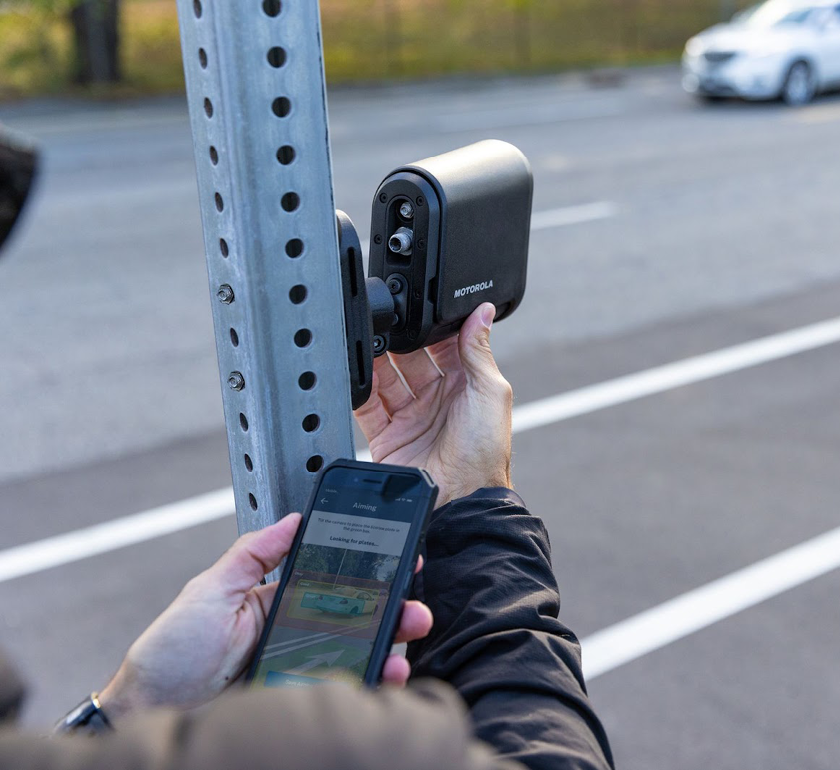
License plate recognition software and hardware in use during a field deployment
Role
Senior UX Researcher
Timeline
14 weeks
Team
UX researchers, UX and industrial designers, mechanical engineers, developers, and sales engineers
Users
Installers, subject matter experts, sales engineers, and ALPR end users
Initiated By
Chief Technology Officer
14 weeks

Delivered across 6+ design and development sprints with fast feedback loops.

17 + 8

Seventeen expert reviews and eight user research rounds created a strong evidence base.

90%

Improvement in the final device experience, alongside faster setup and two global design awards.

The challenge

What was going wrong

The ALPR camera was a critical part of a larger security ecosystem, but early feedback suggested the deployment experience was slowing users down. Installation steps were not intuitive, product guidance was inconsistent, and usability issues were reducing confidence in the device.
What success needed to look like

  • Reduce confusion during end-to-end setup.
  • Identify usability issues before release decisions locked in.
  • Improve installation speed without sacrificing accuracy.
  • Create clearer support materials for real-world deployment.

Research Project Approach

The project came in with urgency. Competitors had already released similar devices, so the work needed to move quickly without losing rigor.

Request from the CTO

The Chief Technology Officer directly requested the research to help the organization move faster and more confidently. The goal was not just to spot issues, but to produce clear, actionable direction the core team could use immediately.

How I structured the work

I helped shape a strategic plan that connected product stages, research methods, development checkpoints, and user testing into one coordinated effort. The work balanced speed with precision so findings could influence the next sprint, not just the next quarter.

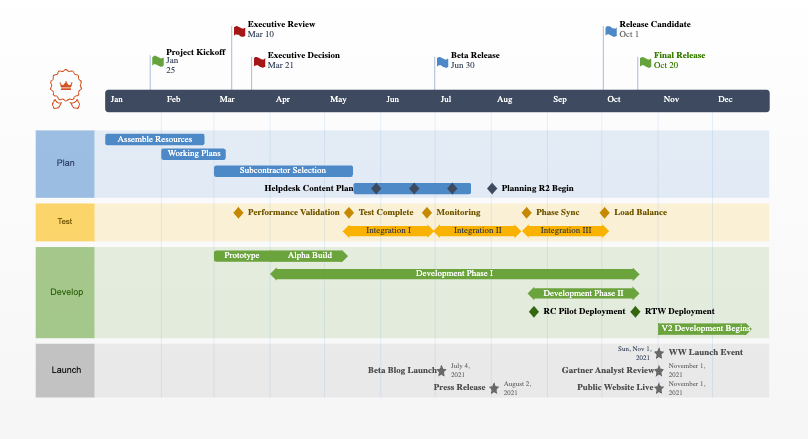
Planning Artifact

This planning artifact helped align research, engineering, and design around what would be tested, when, and how insights would feed back into the build cycle.

Strategic planning artifact for the ALPR usability research timeline and sprint coordination
Strategic planning artifact created to coordinate checkpoints, expert review, user testing, and reporting across the sprint schedule.

Research Methods

I used qualitative usability methods to understand where installation broke down, why it broke down, and what needed to change before broader rollout.

Expert review with SMEs

  • Selected subject matter experts tested the full installation flow before user sessions began.
  • A structured feedback template kept observations consistent across reviewers.
  • Early expert review helped surface obvious usability flaws before more expensive user testing.

Usability testing and contextual inquiry

  • Partnered with sales engineers to recruit a diverse mix of users across experience levels and deployment contexts.
  • Observed participants complete the full quick-deploy installation while using the related app and hardware together.
  • Used open-ended questioning to uncover confusion, expectations, pain points, and workarounds.

Insight reporting and iteration

  • Delivered both high-level and comprehensive reports after each round of testing.
  • Turned findings into actionable recommendations that the core team could prioritize inside upcoming sprints.
  • Tracked issues by priority so the product could improve release by release.

The Process

A rapid research loop designed to keep pace with the product.

The work was intentionally structured to move from early internal checks to real user evidence, then back into development decisions without losing momentum.

01

Scope the problem

  • Aligned with the CTO and cross-functional leads on the most urgent deployment questions.
  • Defined what success needed to look like for the device, app, and setup flow.
02

Build the core team plan

  • Coordinated UX, engineering, design, and sales engineering around one shared research plan.
  • Mapped testing to sprint timing, release trains, and stakeholder check-ins.
03

Run weekly checkpoints

  • Conducted development checkpoints and expert reviews on each release.
  • Used SMEs to identify workflow risks and feature-level concerns before user exposure.
04

Test with users in context

  • Ran usability sessions every other sprint release with 3 to 5 users per round.
  • Observed the full installation experience end to end, not just isolated screens.
05

Synthesize and feed back into the build

  • Delivered insight reports after every round so teams could act quickly.
  • Translated research into prioritized recommendations tied to future sprints and product decisions.

What the research uncovered

The usability issues were not isolated to one step. They showed up across setup, training, and the supporting materials around the product.

Installation was harder than it needed to be

Users struggled with the quick-deploy flow because the setup sequence and expectations were not always clear in the moment.

Guidance materials were doing too little

Training and getting-started content were not consistently supporting the real field experience, which increased hesitation and errors.

Expert and user signals reinforced each other

SME review and user testing pointed to the same core breakdowns, which gave the team stronger confidence in what to fix first.

Speed and usability needed to improve together

The most important opportunities were the ones that made the product easier to deploy while also making it more effective once in use.

ALPR quick-deploy installation setup showing hardware mounted in the field

Outcome

What changed after the research

The final research and testing rounds helped the team move from general concern to measurable improvement.

90%

Improvement rate achieved in the ALPR device and technology after research-informed iteration.

5 to 7 min

Reduced deployment time for the quick-deploy installation experience.

8 steps

Installation was simplified into a clearer, more repeatable deployment sequence.

2 awards

The final device went on to receive global design recognition after the improvements.

What shipped with the work

The research shaped not only the device experience itself, but also the materials around it, including onboarding support, installation guidance, and clearer communication across teams.

Standards that carried forward

  • An improved out-of-box experience
  • A clearer installation video
  • A getting-started instruction site that became the new standard

See the device in action

This product video gives a clearer sense of the quick-deploy system and the broader context the research needed to support.